Breaking the Silence: Unveiling the Unseen Chains of Modern-Day Employment Slavery
- Dec 23, 2025
- 3 min read
Modern employment often promises stability, growth, and dignity. Yet, beneath the surface of many workplaces lies a harsh reality: unseen chains that trap workers in conditions resembling slavery. These chains are not made of iron but of economic pressure, legal loopholes, and social neglect. This post explores how modern-day employment slavery operates, why it remains hidden, and what can be done to break free.
What Is Modern-Day Employment Slavery?
Employment slavery today does not look like the chains and whips of the past. Instead, it manifests as:
Forced labor where workers cannot leave their jobs due to threats or debt.
Excessive working hours without fair pay or rest.
Withholding of wages or identity documents to control employees.
Unsafe or degrading working conditions that harm physical and mental health.
Lack of legal protections or access to justice.
Millions worldwide suffer under these conditions, often in industries like agriculture, construction, domestic work, and manufacturing. The International Labour Organization estimates over 25 million people live in forced labor globally, many hidden in plain sight.
Why Are These Chains Unseen?
Several factors keep these abuses invisible:
Economic vulnerability forces workers to accept harsh conditions to survive.
Lack of awareness among consumers and policymakers about where products come from.
Complex supply chains make it hard to trace labor abuses back to brands.
Legal gaps in many countries fail to protect informal or migrant workers.
Fear of retaliation silences victims who risk losing their only income or facing violence.
For example, migrant workers in some countries face passport confiscation by employers, making it impossible to leave abusive jobs. Many do not speak the local language or understand their rights, deepening their isolation.
Real-Life Examples of Hidden Chains
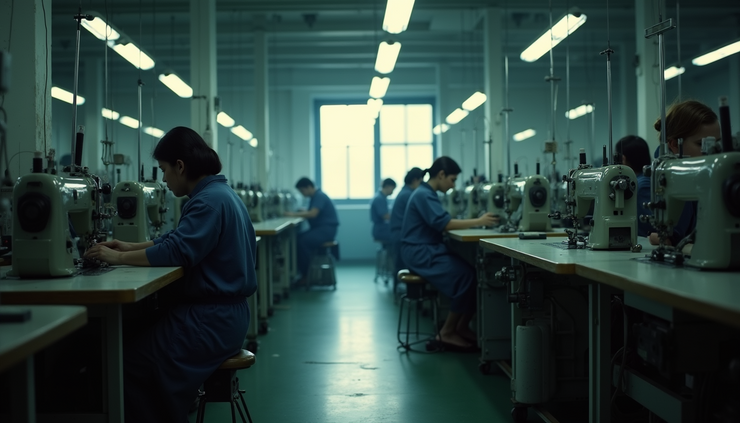
Garment factories in parts of Asia often require workers to do overtime without pay to meet tight deadlines. Workers live in overcrowded dormitories, with limited freedom to leave.
Agricultural laborers in some regions work long days under the sun, paid below minimum wage, with no access to healthcare or legal recourse.
Domestic workers in private homes may face physical and emotional abuse, with no official contracts or days off.
These examples show how modern employment slavery thrives where oversight is weak and workers are marginalized.
How to Recognize Signs of Employment Slavery
Awareness is the first step to breaking these chains. Watch for:
Workers who appear isolated or fearful.
Employers who control personal documents.
Excessive work hours without breaks or overtime pay.
Unsafe or unhealthy work environments.
Lack of contracts or unclear job terms.
Consumers can also look for certifications like Fair Trade or Ethical Trade labels, which indicate better labor standards.
Breaking the Chains: What Can Be Done?
Ending modern employment slavery requires action on multiple fronts:
Stronger laws and enforcement to protect vulnerable workers.
Corporate accountability to ensure supply chains are free from forced labor.
Empowering workers through education about their rights.
Consumer awareness to demand ethically made products.
Support services for victims, including legal aid and safe shelters.
Some countries have made progress by introducing laws that require companies to report on labor practices. NGOs and international organizations play a vital role in monitoring and rescuing victims.
The Role of Individuals and Communities
Everyone can contribute to change:
Support brands that prioritize fair labor.
Advocate for policies protecting workers.
Volunteer or donate to organizations fighting labor exploitation.
Educate others about the realities of modern employment slavery.
By shining a light on these unseen chains, communities can build pressure for reform and create safer workplaces.
This Post was created using AI
Please comment your thoughts and feedback is important and appreciated!
Thank You


Comments