Do False Flag Operations Exist in U S Government Strategies
- Dec 23, 2025
- 3 min read
The idea that governments might stage false flag operations to justify actions or manipulate public opinion has long captured public imagination. In the case of the United States government, questions arise about whether such tactics have been used to serve political or military goals. This post explores the concept of false flag operations, examines historical examples, and discusses the evidence and controversies surrounding claims that the U.S. government has created false flag situations for its own benefit.
What Is a False Flag Operation?
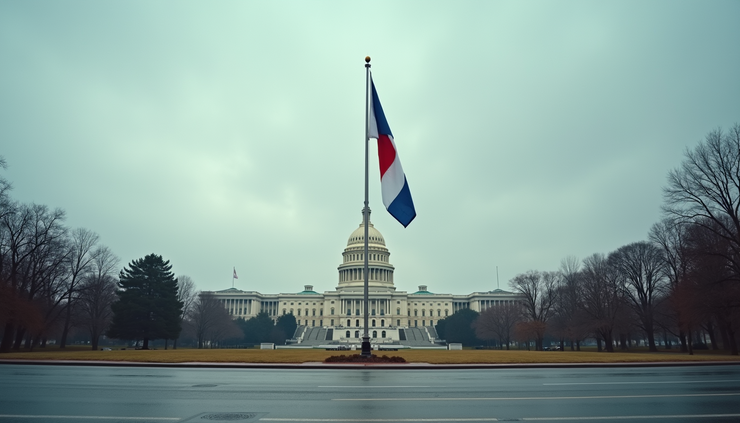
A false flag operation is a covert action designed to deceive by making it appear that another party is responsible for an event. The term originates from naval warfare, where ships would fly the flag of another country to mislead enemies. In modern contexts, false flag operations often refer to attacks or incidents staged or manipulated by governments or organizations to justify political or military actions, influence public opinion, or discredit opponents.
Key characteristics of false flag operations include:
Deception: The true perpetrators hide their identity.
Manipulation: The event is used to provoke a response or justify policies.
Secrecy: Details are often classified or obscured.
Historical Examples and Allegations
Throughout history, several incidents have been cited as examples or alleged false flag operations involving the U.S. government. Some are well-documented, while others remain speculative or controversial.
The Gulf of Tonkin Incident (1964)
One of the most cited examples is the Gulf of Tonkin incident, which led to the escalation of the Vietnam War. The U.S. government reported that North Vietnamese forces attacked U.S. naval vessels. Later investigations revealed that the second reported attack likely never happened, raising questions about whether the incident was exaggerated or manipulated to gain congressional approval for military action.
Operation Northwoods (1962)
Declassified documents reveal that the U.S. Department of Defense proposed Operation Northwoods, a plan to stage false flag terrorist attacks on American soil to justify military intervention in Cuba. The plan included ideas such as hijacking planes and bombing U.S. cities, falsely blaming Cuba. The proposal was rejected by President John F. Kennedy and never executed.
Other Allegations
Various conspiracy theories claim false flag operations in events such as the Oklahoma City bombing (1995) or the 9/11 attacks. These claims often lack credible evidence and are widely disputed by experts and official investigations.
Why Would the U.S. Government Use False Flag Operations?
Governments may consider false flag operations to achieve several objectives:
Justify military intervention: Creating a pretext for war or increased military presence.
Influence public opinion: Rallying citizens around a cause or against an enemy.
Discredit opponents: Undermining political adversaries or foreign governments.
Test security responses: Assessing readiness or capabilities under controlled conditions.
While these goals might explain the motivation, the risks involved are significant. False flag operations can backfire, erode public trust, and lead to severe political consequences if exposed.
Evaluating the Evidence
Determining whether false flag operations exist within U.S. government strategies requires careful evaluation of evidence:
Declassified documents: Some plans, like Operation Northwoods, show that such ideas were considered.
Official investigations: Reports on incidents like the Gulf of Tonkin reveal discrepancies and possible manipulation.
Whistleblower accounts: Occasionally, insiders have exposed covert operations, though their claims need verification.
Historical context: Cold War tensions and covert operations by intelligence agencies sometimes involved deception but not necessarily false flag attacks on U.S. soil.
Despite some documented plans and incidents, there is no conclusive proof that the U.S. government routinely creates false flag situations for its own benefit. Many allegations remain speculative or based on misinterpretations.
The Impact of False Flag Claims on Public Trust
Claims of false flag operations can have profound effects on public trust in government institutions. When people believe their government might stage attacks against its own citizens, skepticism and conspiracy theories flourish. This environment can:
Undermine democratic processes.
Distract from genuine security threats.
Polarize public opinion.
It is important to approach such claims critically, relying on verified information and credible sources.
How to Approach Information About False Flag Operations
For readers interested in this topic, here are some tips to evaluate information critically:
Check sources: Prefer official documents, reputable historians, and investigative journalism.
Look for evidence: Avoid accepting claims without supporting facts.
Understand context: Consider the political and historical background of events.
Be cautious with conspiracy theories: They often mix facts with speculation.
Final Thoughts
The U.S. government has considered or proposed false flag operations in rare cases, such as Operation Northwoods, but these plans were not executed. Some historical incidents show evidence of misinformation or manipulation, yet clear proof of deliberate false flag attacks for political gain remains limited. Understanding this topic requires separating fact from speculation and recognizing the complexity of government actions.
This Post was created using AI
Please comment your thoughts and feedback is important and appreciated!
Thank You


Comments