Is Being Alone a Natural State for Men and Women
- Dec 23, 2025
- 4 min read
Many people wonder if men or women are naturally meant to be alone. This question touches on deep aspects of human nature, social behavior, and emotional needs. Understanding whether solitude aligns with our natural state can help us better navigate relationships, personal growth, and mental health.
This post explores the idea of being alone from biological, psychological, and social perspectives. It also looks at how men and women experience solitude differently and what that means for living a balanced life.
The Biological Roots of Solitude
Humans are social animals by nature. From an evolutionary standpoint, early humans survived by forming groups. These groups provided protection, shared resources, and helped raise children. This history suggests that being alone for long periods was not the natural state for either men or women.
However, biology also shows that humans need time alone to recharge. The brain requires moments of solitude to process emotions, reflect, and restore energy. This need for alone time varies from person to person but is essential for mental well-being.
For example, studies on brain activity reveal that the default mode network, which activates during rest and introspection, helps people consolidate memories and solve problems. This network works best when a person is alone and free from distractions.
Psychological Benefits of Being Alone
Spending time alone can improve self-awareness and emotional health. When alone, people often engage in self-reflection, which helps them understand their feelings and goals better. This process is crucial for personal growth and decision-making.
Men and women may experience solitude differently due to social conditioning and emotional expression. Research shows women tend to use alone time to process emotions and connect with their inner selves. Men, on the other hand, might use solitude more for problem-solving or pursuing hobbies.
Both approaches have value. For instance, a woman might journal or meditate during alone time, while a man might focus on a creative project or physical activity. These activities help both genders recharge and maintain balance.

Time alone in nature can provide a calming space for reflection and emotional balance.
Social Expectations and Gender Differences
Society often shapes how men and women view being alone. Cultural norms may encourage women to seek social connections more actively, while men might be expected to be independent and self-reliant. These expectations influence how comfortable each gender feels with solitude.
For example, women might face pressure to maintain relationships and avoid loneliness, while men might be praised for handling solitude without complaint. These stereotypes can make it harder for individuals to embrace alone time in a healthy way.
Understanding these social pressures helps people break free from limiting beliefs. Men and women can learn to appreciate solitude as a natural and necessary part of life, rather than something to fear or avoid.
When Being Alone Becomes a Problem
While solitude has benefits, excessive isolation can harm mental health. Loneliness, which is different from being alone, can lead to depression, anxiety, and other issues. It is important to distinguish between healthy alone time and harmful isolation.
Men and women may experience loneliness differently. Studies show men are less likely to seek help for loneliness, which can worsen their emotional state. Women might be more open to discussing feelings but can still struggle with loneliness if social support is lacking.
Practical steps to balance solitude and social connection include:
Scheduling regular social activities
Pursuing hobbies that involve others
Seeking professional support if feelings of loneliness persist
Embracing Solitude for a Balanced Life
Being alone is not about rejecting others but about finding time to connect with oneself. Both men and women benefit from solitude when it is used intentionally. It allows for rest, creativity, and emotional clarity.
For example, many successful people credit alone time for their ability to focus and innovate. Writers, artists, and thinkers often seek solitude to develop ideas and recharge their mental energy.
To make the most of alone time:
Set aside daily moments without distractions
Use solitude for activities that bring joy or relaxation
Reflect on personal goals and feelings
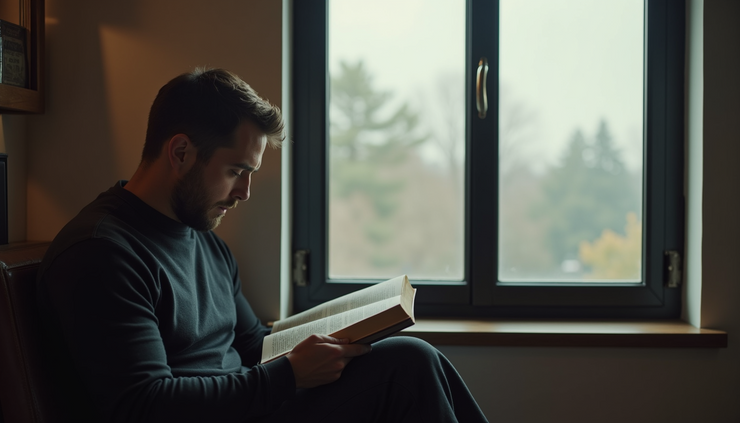
Quiet moments alone can foster creativity and mental clarity.
Men and women are not simply meant to be alone or always with others. Instead, they thrive when they balance social connections with meaningful solitude. Recognizing the value of alone time helps individuals build stronger relationships with themselves and others.
If you find yourself questioning whether being alone suits you, consider how solitude affects your mood, energy, and creativity. Use alone time as a tool for growth, not as a sign of failure or loneliness. Embrace moments of quiet to recharge and discover new parts of yourself.
The next step is to explore your own needs around solitude and connection. Try small changes like a daily walk alone or a quiet hour without screens. Notice how these moments impact your well-being and adjust accordingly.
This Post was created using AI
Please comment your thoughts and feedback is important and appreciated!
George Carr Jr.


Comments