The Impact of Self-Checkout Systems on Employment and Human Interaction
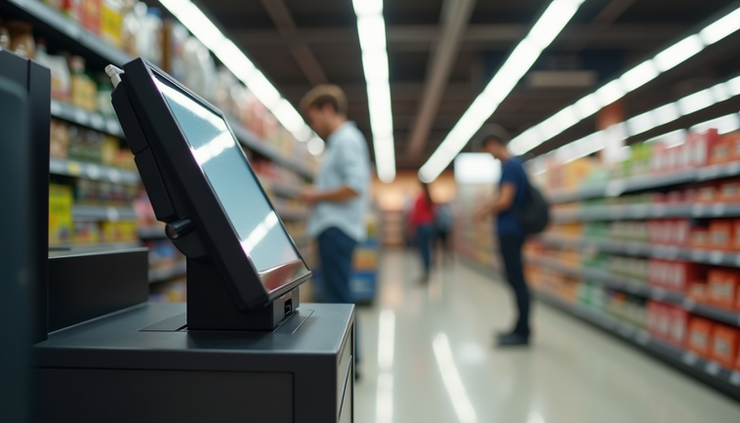
Self-checkout systems have become a common feature in many retail stores and supermarkets worldwide. These machines promise faster service and convenience, allowing customers to scan and pay for their items without the need for a cashier. While this technology offers clear benefits, it also raises important questions about its effects on employment and the quality of human interaction in everyday shopping experiences.
How Self-Checkout Systems Affect Jobs
One of the most immediate concerns about self-checkout systems is their impact on employment. Retail jobs, especially cashier positions, have traditionally provided work for millions of people worldwide. The introduction of self-checkout machines reduces the need for cashiers, which can lead to fewer job opportunities.
Reduction in cashier roles
Many stores have cut back on cashier staff as they install more self-checkout lanes. For example, a 2019 report from the National Retail Federation showed that some retailers reduced cashier positions by up to 30% after adopting self-checkout technology.
Shift in job roles
Instead of completely eliminating jobs, some stores have shifted employees to other roles such as customer assistance or stocking shelves. However, these roles may not offer the same level of job security or wages as cashier positions.
Impact on entry-level workers
Cashier jobs often serve as entry points into the workforce, especially for young people or those with limited experience. The decline in these positions can make it harder for these groups to find work and gain valuable skills.
The Loss of Human Interaction in Retail
Beyond employment, self-checkout systems change the social dynamics of shopping. Traditional checkouts involve interactions between customers and cashiers, which can be brief but meaningful moments of connection.
Reduced social contact
Self-checkout removes the need for face-to-face communication during payment. For some customers, especially older adults or those who value personal interaction, this can make shopping feel more isolating.
Customer service challenges
When problems arise at self-checkout machines, such as scanning errors or payment issues, customers may struggle to find immediate help. The absence of a dedicated cashier can lead to frustration and longer wait times for assistance.
Community impact
Local stores often serve as social hubs where people exchange greetings and build community ties. The shift to automated checkouts can weaken these social bonds, making shopping a more transactional and less personal experience.
Balancing Technology and Human Touch
While self-checkout systems offer efficiency, it is important for retailers to find a balance that preserves jobs and human interaction.
Hybrid checkout models
Some stores maintain both traditional cashier lanes and self-checkout options. This approach allows customers to choose their preferred method and keeps cashier jobs available for those who need or want them.
Enhanced customer support
Employing staff specifically to assist customers at self-checkout areas can improve the experience and maintain some level of human contact. These employees can help with technical issues and provide a friendly presence.
Training and redeployment
Retailers can invest in training programs to help displaced cashiers transition into new roles within the store, such as customer service representatives or inventory specialists.
Real-World Examples
Several retailers have taken different approaches to integrating self-checkout systems:
Walmart
Walmart has widely adopted self-checkout lanes but continues to employ greeters and customer helpers to assist shoppers. This model aims to combine speed with personal service.
Tesco
Tesco in the UK offers a mix of self-checkout and staffed lanes. They also provide staff to help customers unfamiliar with the technology, ensuring a smoother transition.
Small local stores
Many small businesses avoid self-checkout altogether, emphasizing personalized service as a key part of their appeal. This choice supports local employment and community interaction.
What Shoppers Can Do
Customers also play a role in shaping the future of retail experiences:
Choose human interaction when possible
Opting for staffed checkouts supports employment and encourages stores to maintain these roles.
Provide feedback
Sharing opinions with retailers about checkout preferences can influence how stores balance technology and human service.
Support local businesses
Shopping at smaller stores that prioritize personal service helps sustain jobs and community connections.
This Post was created using AI
Please comment your thoughts and feedback is important and appreciated!
Thank You


Comments